Tell us about the job
Takes about a minute. No obligation.
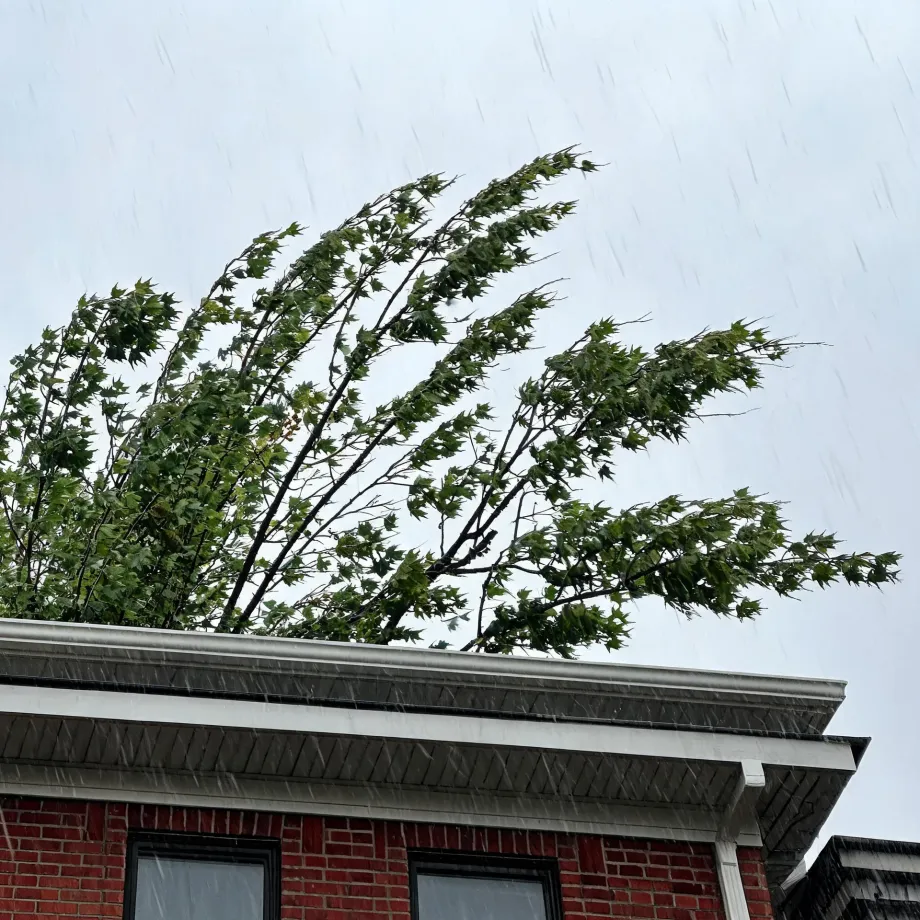
A contractor quoting a boiler repair in Richmond County has to decide early whether the system failed because of how hard the climate has pushed it or because of something that would have failed anywhere. 97 severe weather events were recorded in Richmond County, Virginia between 2015 and 2024. At roughly the national midpoint for severe weather exposure, the area gives a boiler a real but not extraordinary workload. That means wear on heat exchangers, expansion tanks, and pressure relief valves still owes as much to service history and original installation quality as it does to weather. A contractor who jumps straight to weather as the explanation for a failed component is skipping the diagnostic step that actually settles it.
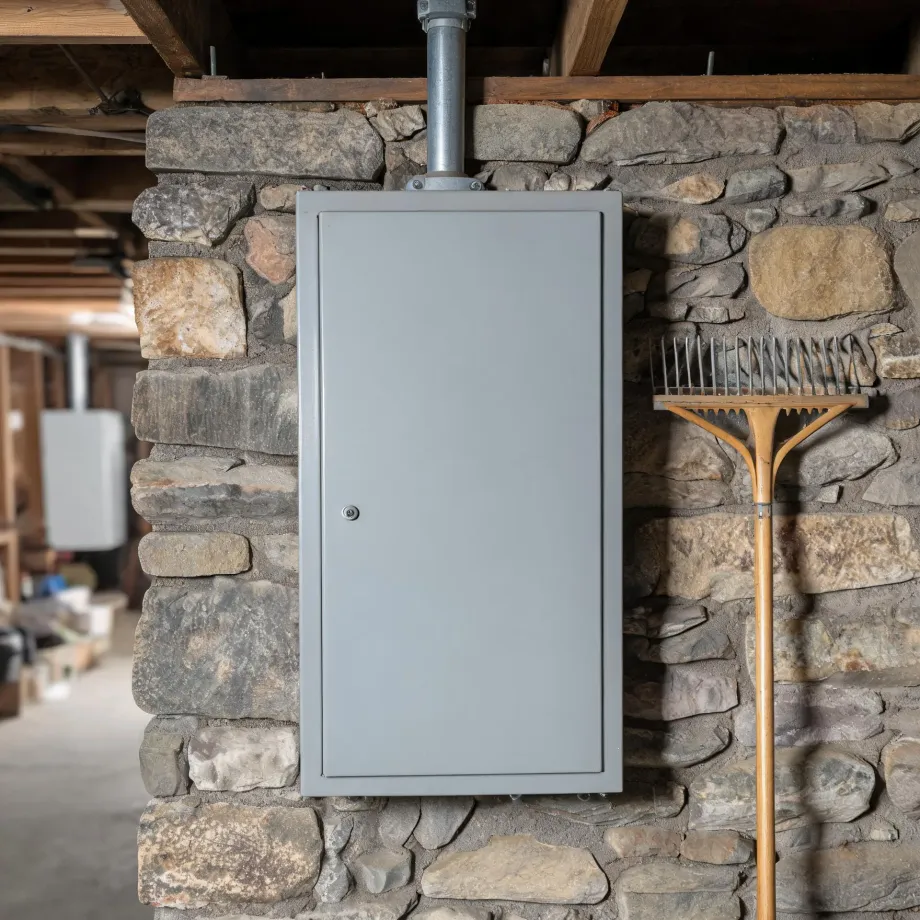
Boilers in houses built to the standards of that era were fitted with components that manufacturers have since redesigned or discontinued. Half the homes in Richmond County, Virginia were built in 1978 or earlier (2020-2024 ACS 5-year). A contractor opening a system in Richmond County today finds that the repair question is often a sourcing question: whether the valve, heat exchanger section, or control board the boiler actually needs can still be ordered, and at what lead time. If the part is available, the fix is straightforward. If it has been superseded, the contractor is pricing a workaround or presenting the homeowner with a different decision entirely.
The Parts of a Boiler a Contractor Checks First
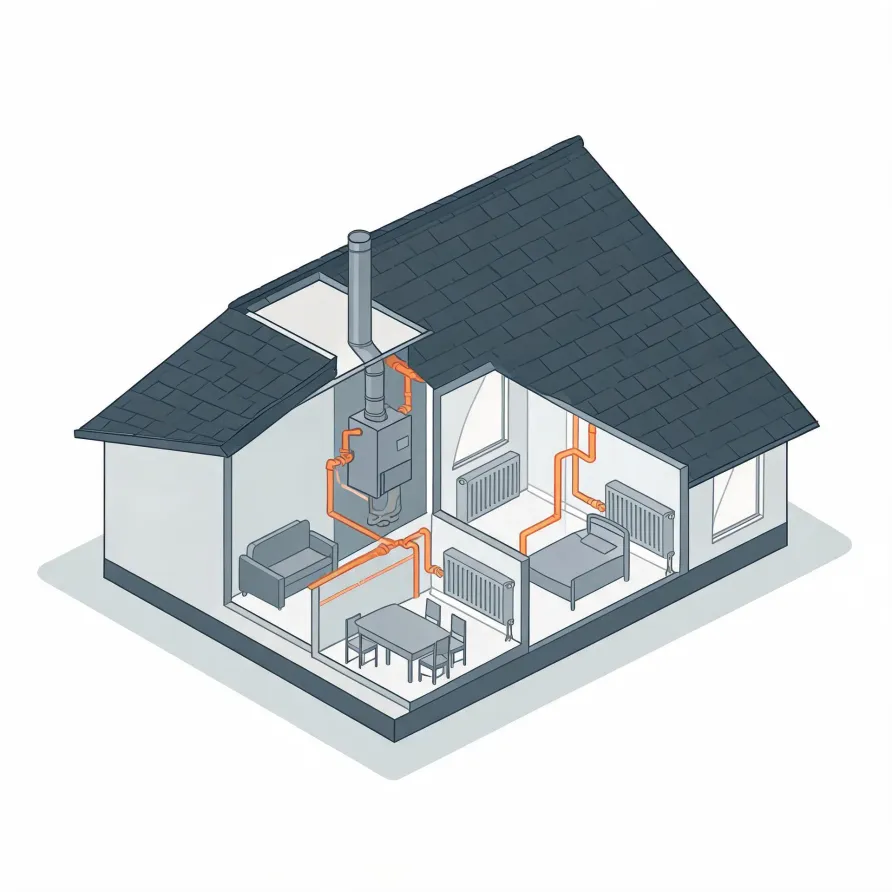
The boiler itself sits in the basement or mechanical room and is the piece a contractor goes to first. It heats water and sends it through the system. When heat stops reaching a room, or the unit short-cycles, or pressure swings without explanation, the boiler's heat exchanger, pressure relief valve, and controls are the starting points.
From the boiler, supply and return pipes run through the house to radiators or baseboard units in each room. Those terminal units are where heat actually enters the living space. A faulty zone valve, a stuck circulator pump, or a blocked radiator can kill heat in one room while leaving the rest of the house unaffected.
The drawing shows a typical layout, and a licensed contractor determines which components apply and what needs attention in your specific home.
Get matched in Richmond CountyRichmond County, Virginia, by the numbers
97 severe weather events were recorded in Richmond County, Virginia between 2015 and 2024.
NOAA National Centers for Environmental Information, Storm Events Database, bulk CSV export, events 2015-01-01 through 2024-12-31.Half the homes in Richmond County, Virginia were built in 1978 or earlier (2020-2024 ACS 5-year).
U.S. Census Bureau, 2020-2024 American Community Survey 5-Year EstimatesRichmond County, Virginia holds 3,970 housing units (2020-2024 ACS 5-year).
U.S. Census Bureau, 2020-2024 American Community Survey 5-Year EstimatesOwners occupy 74.7% of the occupied homes in Richmond County, Virginia (2020-2024 ACS 5-year).
U.S. Census Bureau, 2020-2024 American Community Survey 5-Year EstimatesCodes & Standards Covering Boiler Repair in Richmond County, Virginia2 sourced rules and standards
What Richmond County, Virginia Requires for HVAC Repair Work
Virginia’s contractor licence classes start above $1,000: the entry class covers a single contract or project over $1,000 but less than $30,000, or less than $250,000 of work in any 12-month period, with larger classes above that.
Virginia requires a contractor licence: no person may engage in, or offer to engage in, contracting work in the Commonwealth without one.
Weather Stress on Boilers in Richmond County
Heating equipment works harder when outside conditions turn harsh, and Richmond County has its share of weather that puts boilers under load. A boiler that runs hard through rough stretches needs repair less as a random event and more as a predictable cost of the local climate.
97 severe weather events, 2015–2024. Source: NOAA National Centers for Environmental Information, Storm Events Database.