Tell us about the job
Takes about a minute. No obligation.
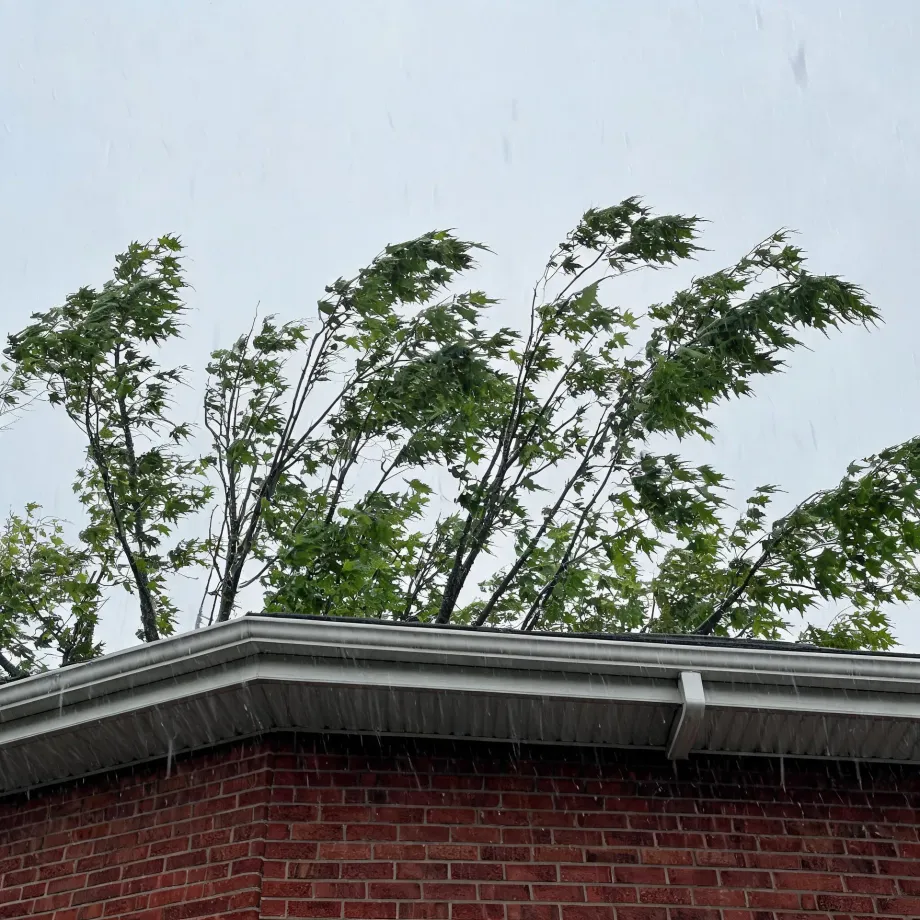
A boiler repair in this county does not start with the weather. 54 severe weather events were recorded in Lancaster County, Virginia between 2015 and 2024. At that rate, severe weather is an occasional event rather than a standing pressure on equipment, and a contractor can be honest that the climate is not what wore out a heat exchanger or killed a circulator pump. What explains most boiler failures here is how old the unit is, how it was set up at install, and how consistently it has been serviced. Those are the questions a contractor works through before quoting parts or labor.
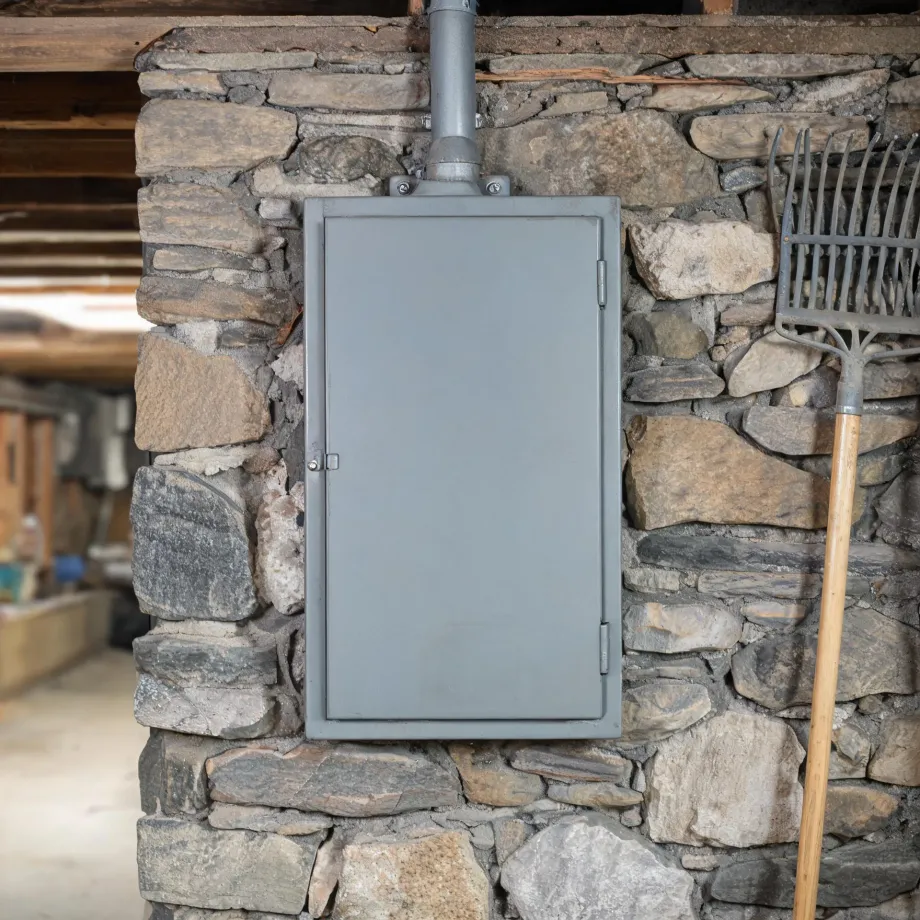
Boilers in older housing stock carry a history that shows up the moment a contractor opens the unit. Sediment in the heat exchanger, corroded fittings, zone valves that have been spliced rather than replaced: what the opened system contains reflects every service call that came before this one. Half the homes in Lancaster County, Virginia were built in 1982 or earlier (2020-2024 ACS 5-year). That means a repair quote here depends less on what the boiler's model number suggests and more on what the contractor actually finds inside, because systems running in houses built that long ago have rarely stayed in their factory configuration. A part that looks standard from the outside can turn out to be a hybrid of three different service generations once the covers come off.
The Parts of a Boiler a Contractor Checks First
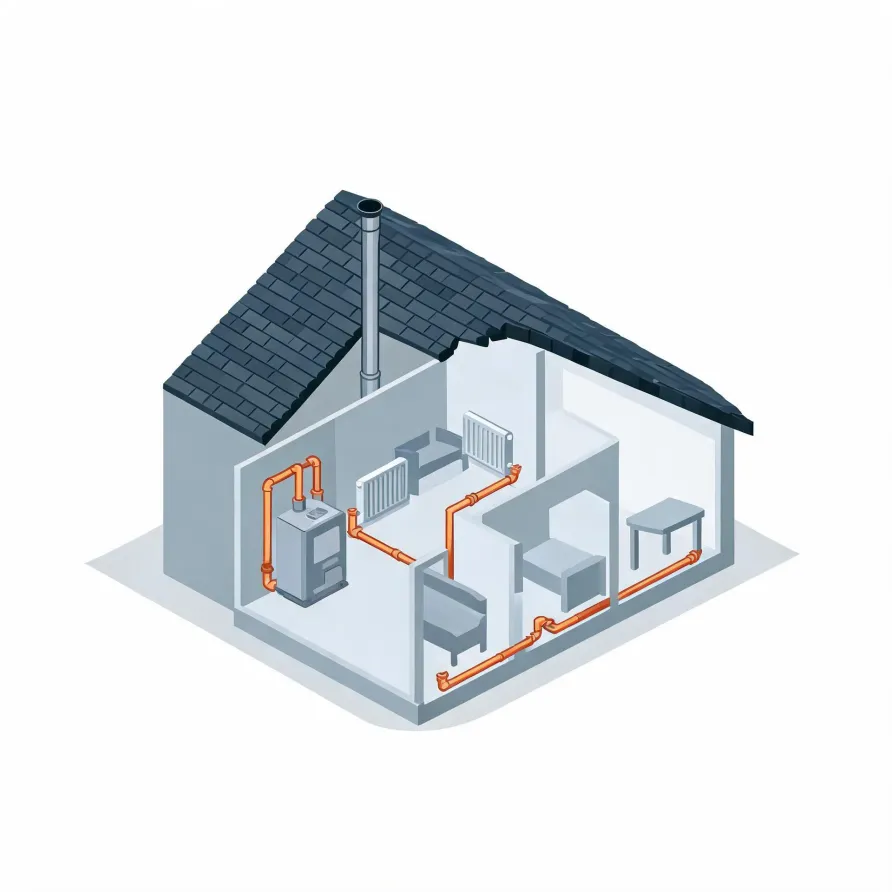
The boiler itself sits in the basement or mechanical room and is the piece a contractor goes to first. It heats water and pushes it through the system. When a boiler is short-cycling, failing to reach temperature, or leaking, the problem usually starts here, at the heat exchanger, the burner, or the pressure relief valve.
From the boiler, pipes carry hot water to radiators or baseboard units in each room, and those terminal units are the pieces a homeowner feels first when something is off. The circulator pump, which moves water through the loop, and the expansion tank, which manages pressure changes as water heats, sit close to the boiler and are common points of failure when heat delivery becomes uneven or pressure readings run wrong.
The drawing shows a typical boiler layout, and a licensed contractor determines which components apply and what condition they are in for your specific home.
Get matched in Lancaster CountyLancaster County, Virginia, by the numbers
54 severe weather events were recorded in Lancaster County, Virginia between 2015 and 2024.
NOAA National Centers for Environmental Information, Storm Events Database, bulk CSV export, events 2015-01-01 through 2024-12-31.Half the homes in Lancaster County, Virginia were built in 1982 or earlier (2020-2024 ACS 5-year).
U.S. Census Bureau, 2020-2024 American Community Survey 5-Year EstimatesLancaster County, Virginia holds 7,496 housing units (2020-2024 ACS 5-year).
U.S. Census Bureau, 2020-2024 American Community Survey 5-Year EstimatesOwners occupy 81.5% of the occupied homes in Lancaster County, Virginia (2020-2024 ACS 5-year).
U.S. Census Bureau, 2020-2024 American Community Survey 5-Year EstimatesCodes & Standards Governing Boiler Repair in Lancaster County, Virginia2 sourced rules and standards
Licensing and Legal Requirements in Lancaster County, Virginia
Virginia’s contractor licence classes start above $1,000: the entry class covers a single contract or project over $1,000 but less than $30,000, or less than $250,000 of work in any 12-month period, with larger classes above that.
Virginia requires a contractor licence: no person may engage in, or offer to engage in, contracting work in the Commonwealth without one.
Severe Weather Events in Lancaster County
Extreme weather puts hours on a boiler fast, pushing heat exchangers, pressure relief valves, and controls harder than a mild season ever would. Repair demand in Lancaster County follows that load, which makes local weather history a practical backdrop for understanding what the equipment here goes through.
54 severe weather events, 2015–2024. Source: NOAA National Centers for Environmental Information, Storm Events Database.