Tell us about the job
Takes about a minute. No obligation.
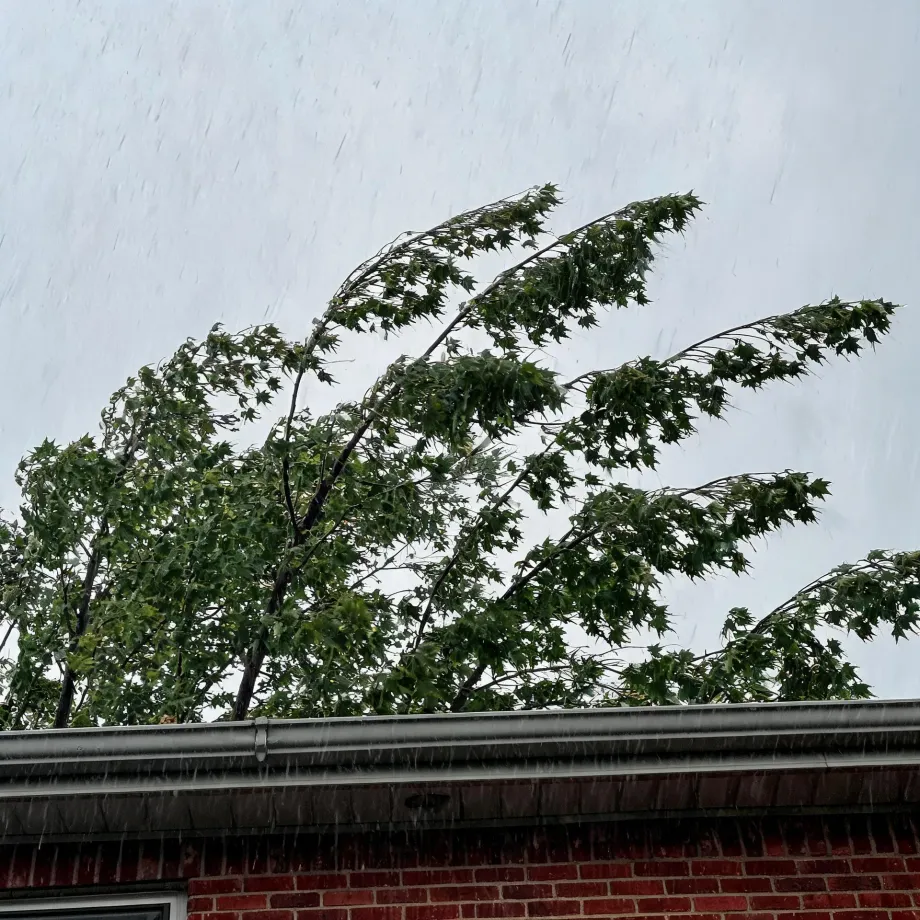
A contractor diagnosing a boiler in Halifax County checks the heat exchanger, burner assembly, and circulation components before settling on a cause, because the equipment has been working against weather that shows up here with regularity. 260 severe weather events were recorded in Halifax County, Virginia between 2015 and 2024. At that rate, severe weather is a normal part of what every boiler in the county has been asked to handle, and it accelerates wear on the parts that regulate pressure and heat transfer. A crack or a failed seal in a system like this is often weather load catching up, not a random failure, and a contractor quotes accordingly.
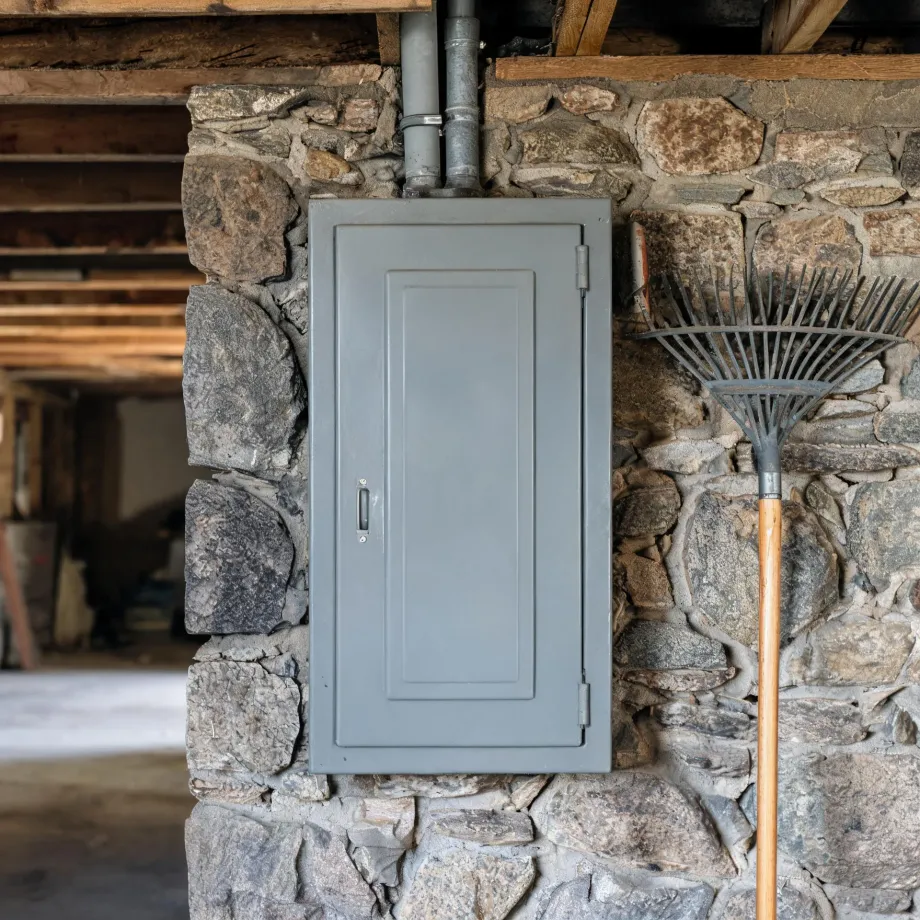
Boiler systems in houses this old have usually gone through at least one equipment cycle since the house was built, which means the unit a contractor opens today may be a generation or two removed from the original. Half the homes in Halifax County, Virginia were built in 1974 or earlier (2020-2024 ACS 5-year). That depth of housing age puts pressure on parts availability: when a heat exchanger, zone valve, or circulator fails in a system fitted to a house of that era, a contractor has to confirm the part is still in production before a repair scope can be written. If it is not, the job changes shape before the first wrench turns.
The Parts of a Boiler a Contractor Checks First
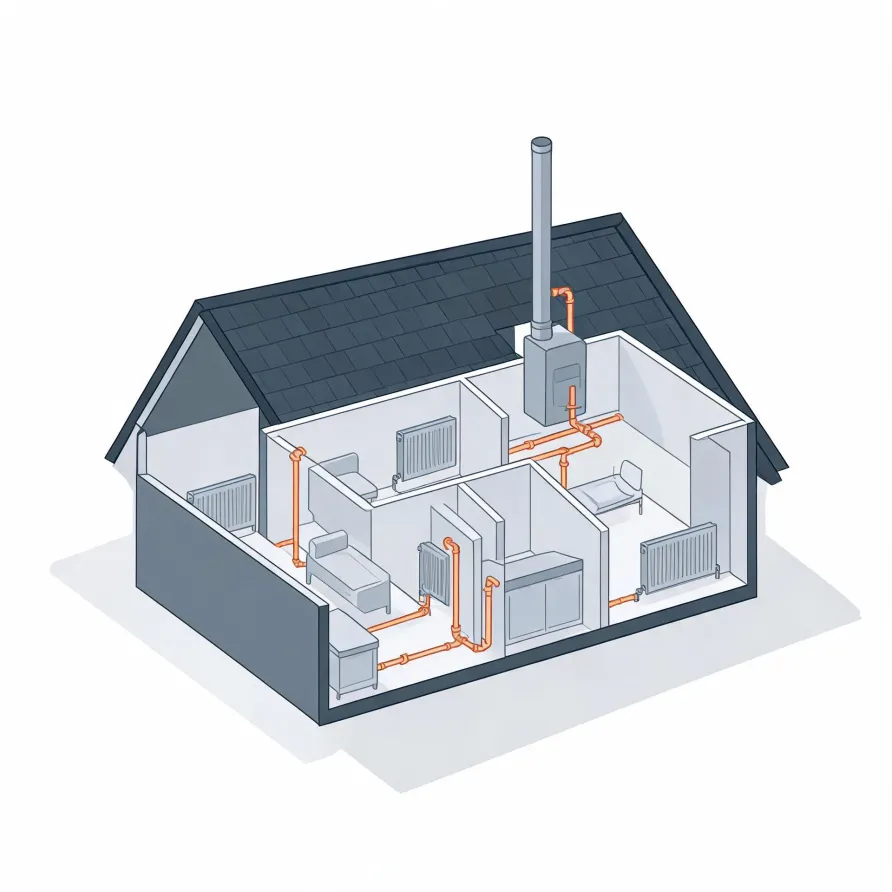
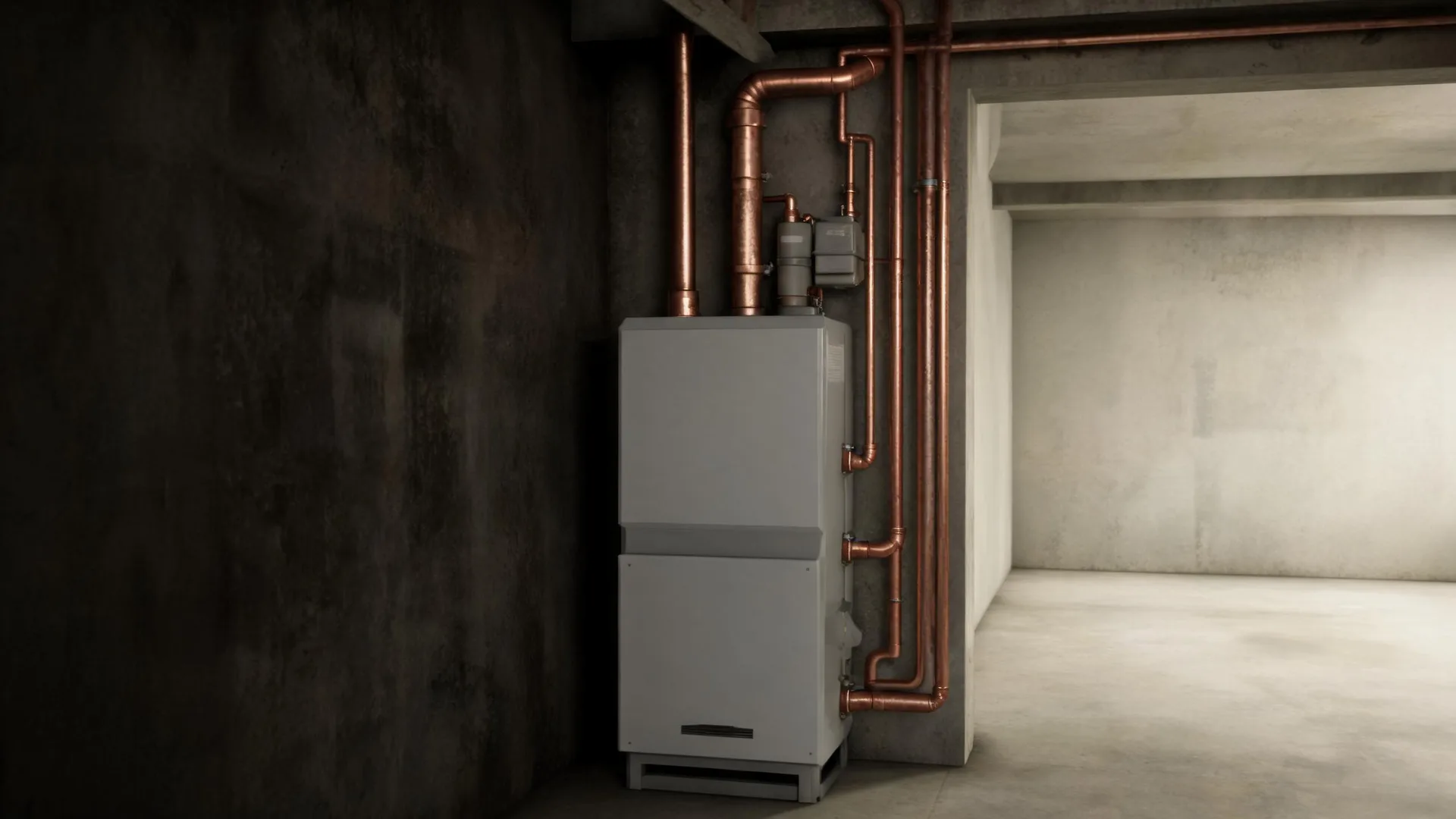
The boiler itself sits in the basement or mechanical room and is where water gets heated before it moves through the house. A contractor starts there, looking at the heat exchanger, the burner assembly, and the pressure and temperature controls, because a fault in any of those stops the system from producing heat at all.
From the boiler, supply pipes carry hot water or steam to radiators or baseboards in each room, and return pipes bring the cooled water back. The circulator pump, which drives that movement, and the expansion tank, which absorbs pressure changes in the loop, both sit close to the boiler and are common points of failure a contractor examines before moving further into the distribution side.
The drawing shows a typical boiler layout, and a licensed contractor will determine which components and conditions apply to your specific system.
Get matched in Halifax CountyHalifax County, by the numbers
260 severe weather events were recorded in Halifax County, Virginia between 2015 and 2024.
NOAA National Centers for Environmental Information, Storm Events Database, bulk CSV export, events 2015-01-01 through 2024-12-31.Half the homes in Halifax County, Virginia were built in 1974 or earlier (2020-2024 ACS 5-year).
U.S. Census Bureau, 2020-2024 American Community Survey 5-Year EstimatesHalifax County, Virginia holds 17,443 housing units (2020-2024 ACS 5-year).
U.S. Census Bureau, 2020-2024 American Community Survey 5-Year EstimatesOwners occupy 74.6% of the occupied homes in Halifax County, Virginia (2020-2024 ACS 5-year).
U.S. Census Bureau, 2020-2024 American Community Survey 5-Year EstimatesCodes & Standards Governing Boiler and HVAC Repair in Halifax County, Virginia2 sourced rules and standards
Licensing Rules for HVAC Repair in Halifax County, Virginia
Virginia’s contractor licence classes start above $1,000: the entry class covers a single contract or project over $1,000 but less than $30,000, or less than $250,000 of work in any 12-month period, with larger classes above that.
Virginia requires a contractor licence: no person may engage in, or offer to engage in, contracting work in the Commonwealth without one.
Severe Weather Events in Halifax County, Virginia
Weather puts load on heating equipment. How hard a boiler works over its life, and how often parts fail, depends in part on what the local climate demands of it, which makes this a repair question with a local answer.
260 severe weather events, 2015–2024. Source: NOAA National Centers for Environmental Information, Storm Events Database.