Tell us about the job
Takes about a minute. No obligation.
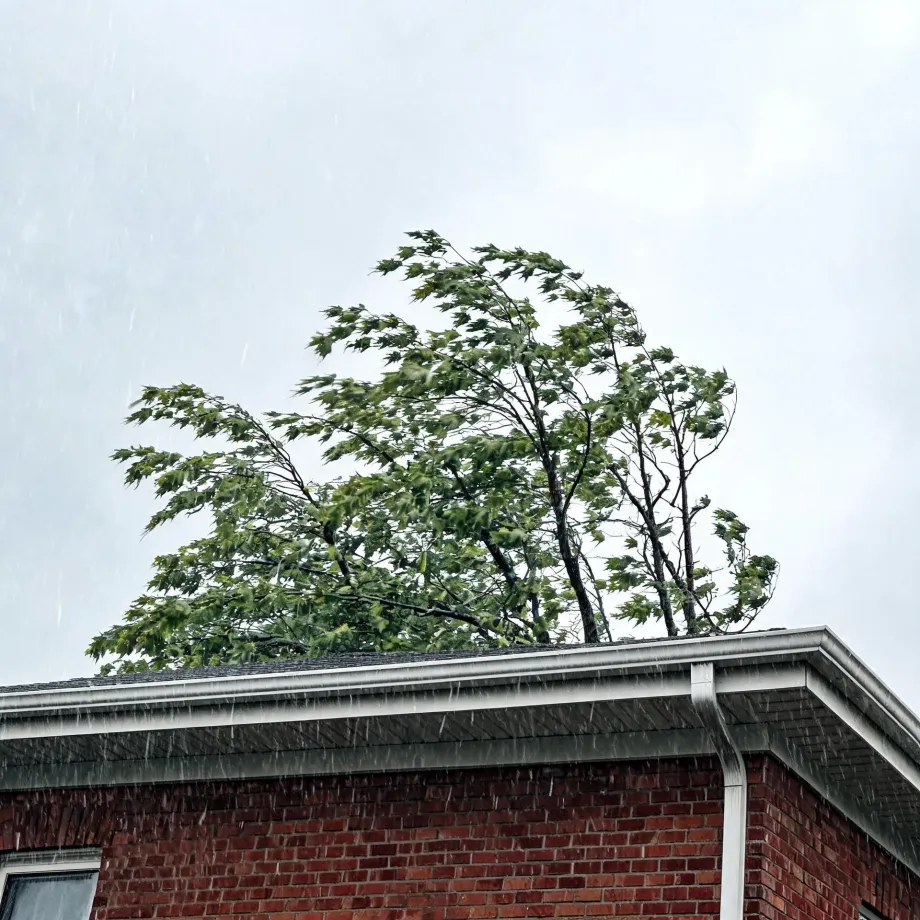
A contractor diagnosing a boiler in Pulaski County starts by ruling out what the system has simply worn through. 77 severe weather events were recorded in Pulaski County, Virginia between 2015 and 2024. At roughly that rate, severe weather is an occasional pressure on equipment here, not a grinding constant. A boiler that is failing has most likely been failing toward this point for years: heat exchangers crack, circulator pumps seize, and pressure relief valves corrode on their own schedule. The weather adds load, but age and service history are what a contractor checks first when the system stops delivering heat.
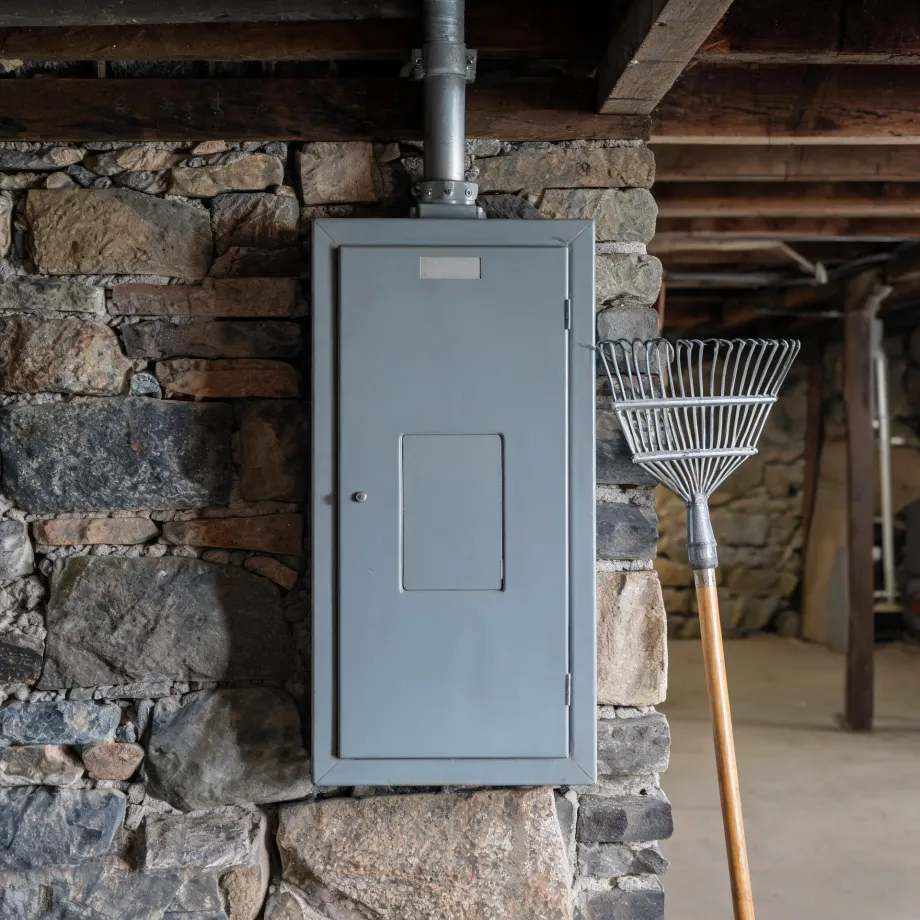
Pulaski County's boiler stock carries the wear its age predicts. Half the homes in Pulaski County, Virginia were built in 1975 or earlier (2020-2024 ACS 5-year). Houses built that long ago have run through enough heating seasons that a contractor opening a boiler here expects to find heat exchanger fatigue, deteriorated seals, and controls that have drifted well outside spec. Those findings, not the age on the paperwork, set the repair scope and determine which parts a technician needs to source.
The Parts of a Boiler a Contractor Checks First
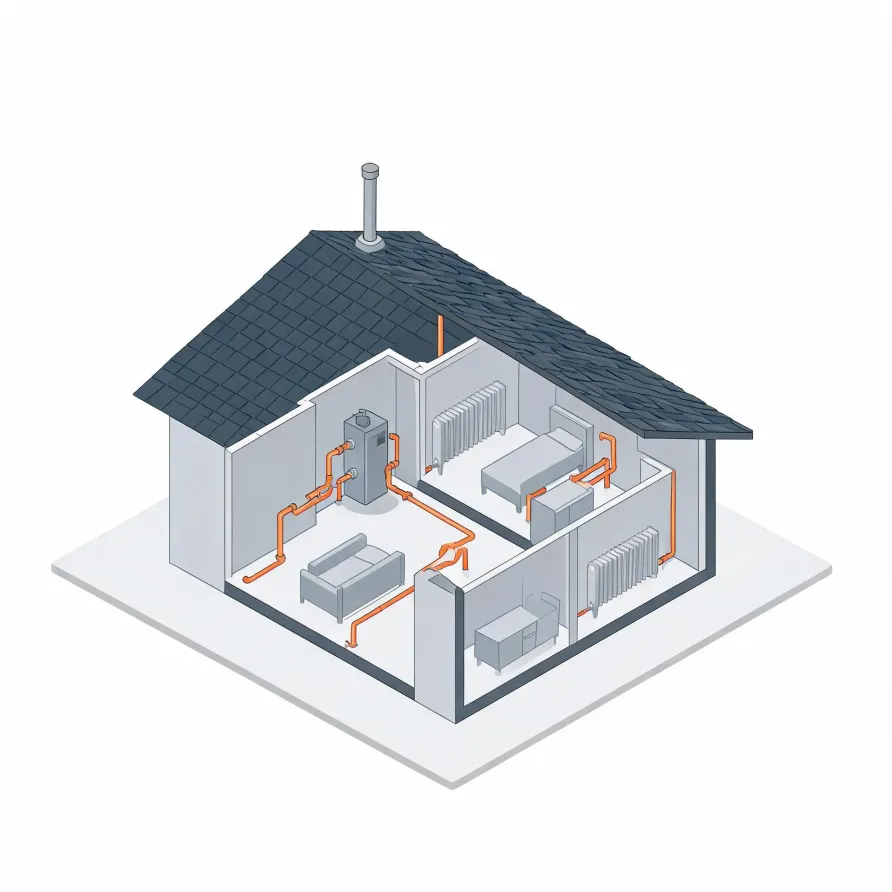
The boiler itself sits in the basement or mechanical room and is the piece a contractor looks at first. It heats water and pushes it through the system. When heat stops reaching part of the house, or stops reaching any of it, the problem often traces back here, to the heat exchanger, the burner, or the controls mounted on the unit.
From the boiler, pipes carry hot water to radiators or baseboard units in the living spaces, and a circulator pump keeps that water moving. The expansion tank, usually hanging near the boiler, absorbs pressure changes in the system. When a radiator stays cold or a pipe bangs, a contractor traces the path from the boiler outward to find where flow has broken down.
The drawing shows a typical boiler layout, and a licensed contractor determines what applies to the specific system in your home.
Get matched in Pulaski CountyPulaski County, by the numbers
77 severe weather events were recorded in Pulaski County, Virginia between 2015 and 2024.
NOAA National Centers for Environmental Information, Storm Events Database, bulk CSV export, events 2015-01-01 through 2024-12-31.Half the homes in Pulaski County, Virginia were built in 1975 or earlier (2020-2024 ACS 5-year).
U.S. Census Bureau, 2020-2024 American Community Survey 5-Year EstimatesPulaski County, Virginia holds 17,056 housing units (2020-2024 ACS 5-year).
U.S. Census Bureau, 2020-2024 American Community Survey 5-Year EstimatesOwners occupy 73.4% of the occupied homes in Pulaski County, Virginia (2020-2024 ACS 5-year).
U.S. Census Bureau, 2020-2024 American Community Survey 5-Year EstimatesBoiler Repair Rules on the Books for Pulaski County, Virginia2 codes, standards, and licensing rules
Licensing Rules for HVAC Repair in Pulaski County, Virginia
Virginia’s contractor licence classes start above $1,000: the entry class covers a single contract or project over $1,000 but less than $30,000, or less than $250,000 of work in any 12-month period, with larger classes above that.
Virginia requires a contractor licence: no person may engage in, or offer to engage in, contracting work in the Commonwealth without one.
Weather That Works Your Boiler Hard in Pulaski County
Boilers carry more load when outdoor conditions swing hard, and the strain shows up as wear, faults, and early failures. How often that happens in Pulaski County is a local fact, and it shapes what a boiler repair contractor here sees season after season.
77 severe weather events, 2015–2024. Source: NOAA National Centers for Environmental Information, Storm Events Database.