Tell us about the job
Takes about a minute. No obligation.
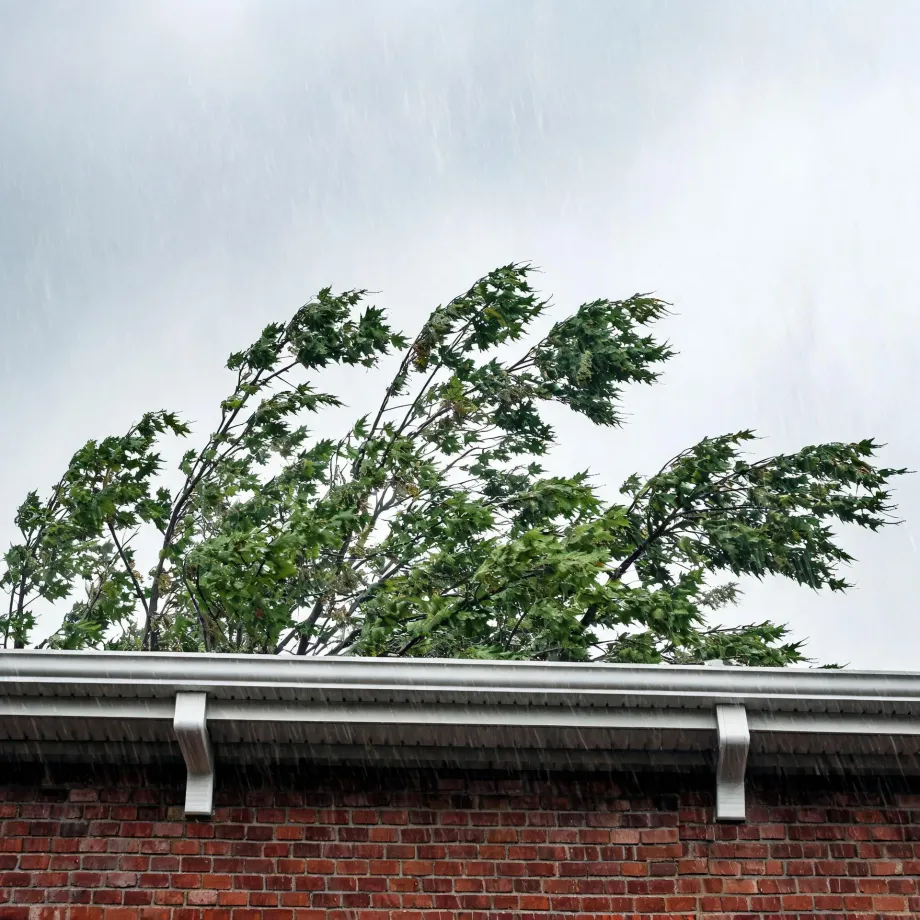
A boiler repair in Scott County starts with what the system has been given over its life: how it was installed, whether it has been serviced, and whether the heat exchanger or controls have been left to degrade. 61 severe weather events were recorded in Scott County, Virginia between 2015 and 2024. At that rate, severe weather is a real presence, but it is not the first thing a contractor rules out when a boiler goes down. Corrosion at fittings, failed pressure relief valves, and seized circulator pumps trace back to neglect or age far more reliably than to storm load.
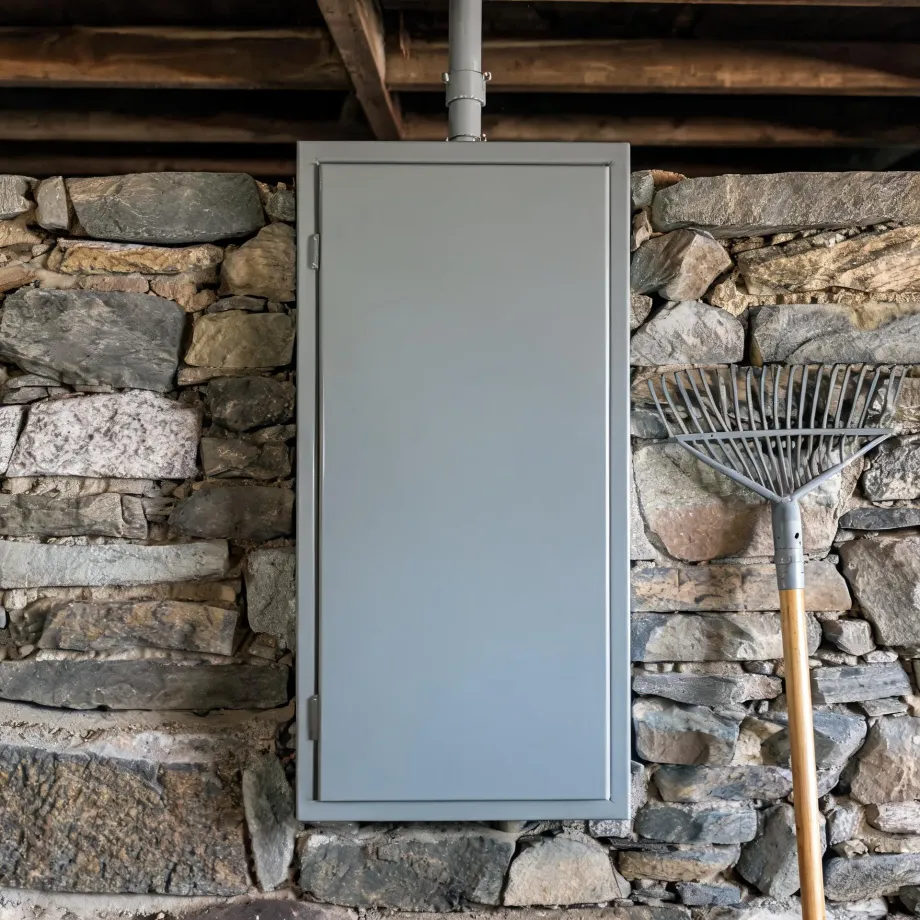
Boilers in houses this old have often been replaced or patched more than once, which means the unit a contractor opens is rarely uniform: mismatched components, discontinued fittings, and prior repairs that worked until they didn't. Half the homes in Scott County, Virginia were built in 1975 or earlier (2020-2024 ACS 5-year). Parts for systems assembled across different service eras are sometimes still made and sometimes not, and that availability question shapes the repair estimate more than the fault itself does. A contractor who cannot source a part for a specific burner assembly or heat exchanger section has to price a different job than the one that was called in.
The Parts of a Boiler a Contractor Checks First
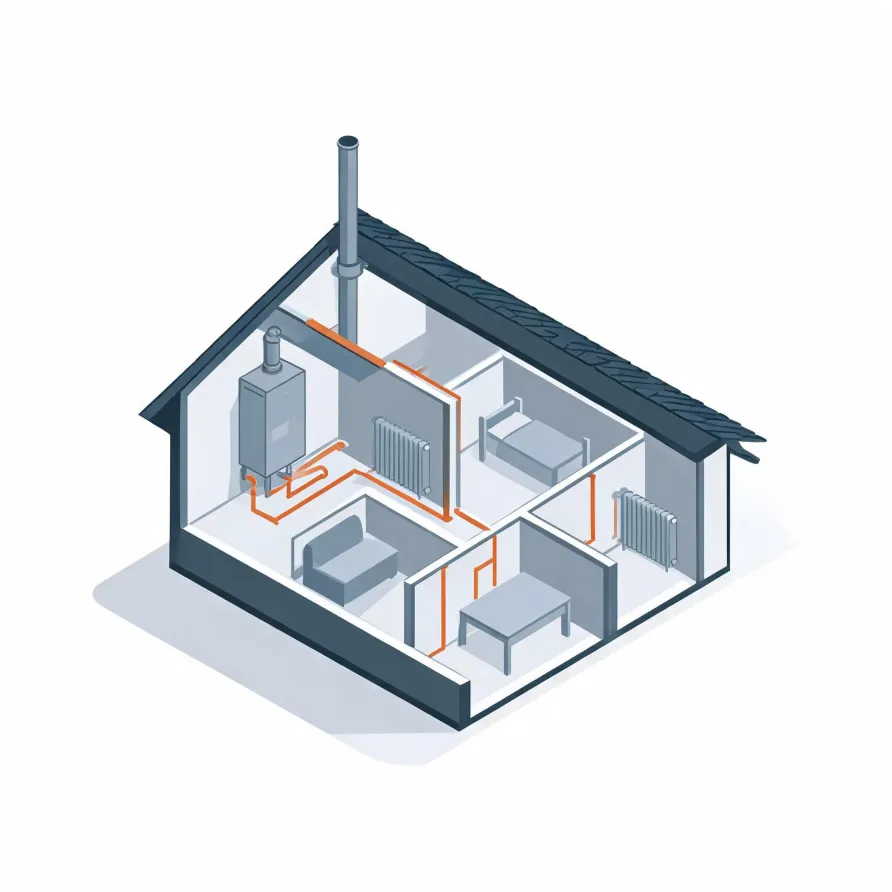
The boiler itself sits in the basement or a utility room and is where water gets heated before it moves through the house. A contractor working on a repair starts here, looking at the burner, the heat exchanger, and the pressure vessel, because a fault in any of those stops the system from producing heat at all.
From the boiler, water travels through supply pipes to radiators or radiant floor loops in each room, then returns through a separate line. The circulator pump, expansion tank, and relief valve all sit close to the boiler, and each one is a point a contractor checks when the system is losing pressure, making noise, or heating unevenly.
The drawing shows a typical boiler layout, and a licensed contractor will determine which components apply to your specific setup.
Get matched in Scott CountyScott County, Virginia, by the numbers
61 severe weather events were recorded in Scott County, Virginia between 2015 and 2024.
NOAA National Centers for Environmental Information, Storm Events Database, bulk CSV export, events 2015-01-01 through 2024-12-31.Half the homes in Scott County, Virginia were built in 1975 or earlier (2020-2024 ACS 5-year).
U.S. Census Bureau, 2020-2024 American Community Survey 5-Year EstimatesScott County, Virginia holds 11,780 housing units (2020-2024 ACS 5-year).
U.S. Census Bureau, 2020-2024 American Community Survey 5-Year EstimatesOwners occupy 77.0% of the occupied homes in Scott County, Virginia (2020-2024 ACS 5-year).
U.S. Census Bureau, 2020-2024 American Community Survey 5-Year EstimatesCodes & Standards Governing Boiler Repair in Scott County, Virginia2 sourced rules and standards
What Scott County, Virginia Requires for This Work
Virginia’s contractor licence classes start above $1,000: the entry class covers a single contract or project over $1,000 but less than $30,000, or less than $250,000 of work in any 12-month period, with larger classes above that.
Virginia requires a contractor licence: no person may engage in, or offer to engage in, contracting work in the Commonwealth without one.
Severe Weather Events in Scott County
Hard weather puts real strain on boiler systems, and Scott County has its share of weather worth tracking. How much that strain accumulates over the years is a local fact, and it shapes what repair work looks like here.
61 severe weather events, 2015–2024. Source: NOAA National Centers for Environmental Information, Storm Events Database.