Tell us about the job
Takes about a minute. No obligation.
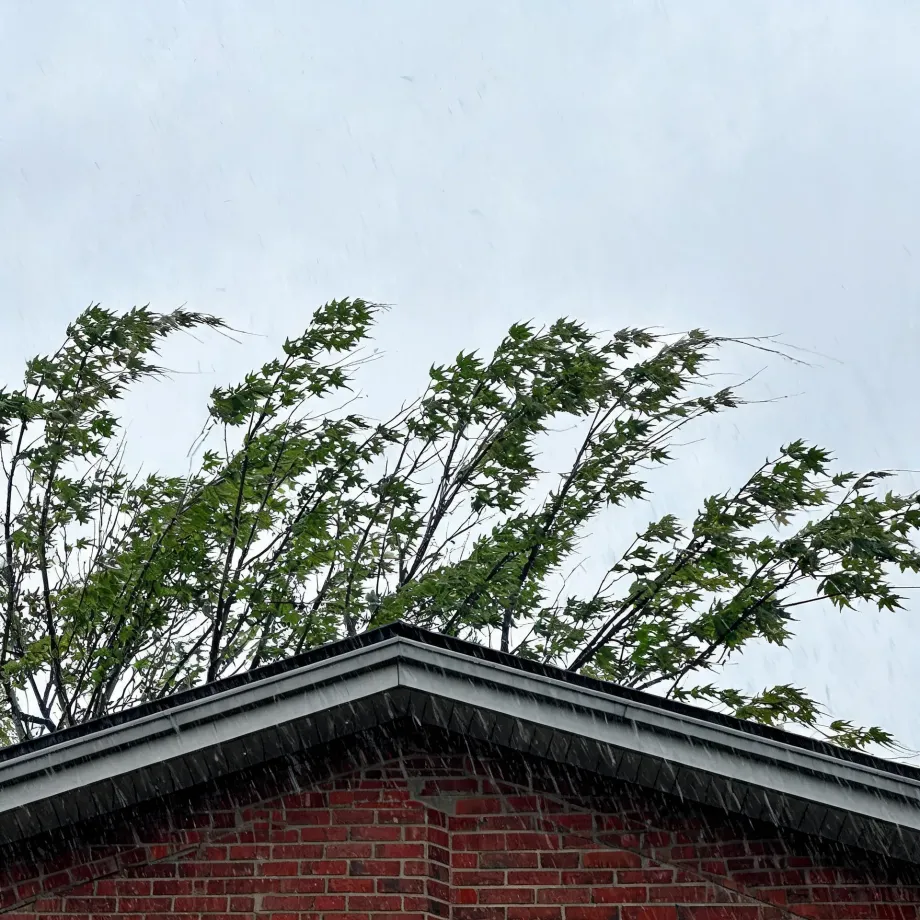
A boiler repair in this area starts with the equipment itself: how old it is, how it has been maintained, and what the heat exchanger and controls show when a contractor opens it up. 62 severe weather events were recorded in Alleghany County, Virginia between 2015 and 2024. At that rate, severe weather is a real but infrequent presence, not the kind of relentless load that wears components down ahead of their time. A burner assembly or circulator pump that has failed here has almost certainly failed because of age or deferred service, and a contractor will price and diagnose the job on that basis.
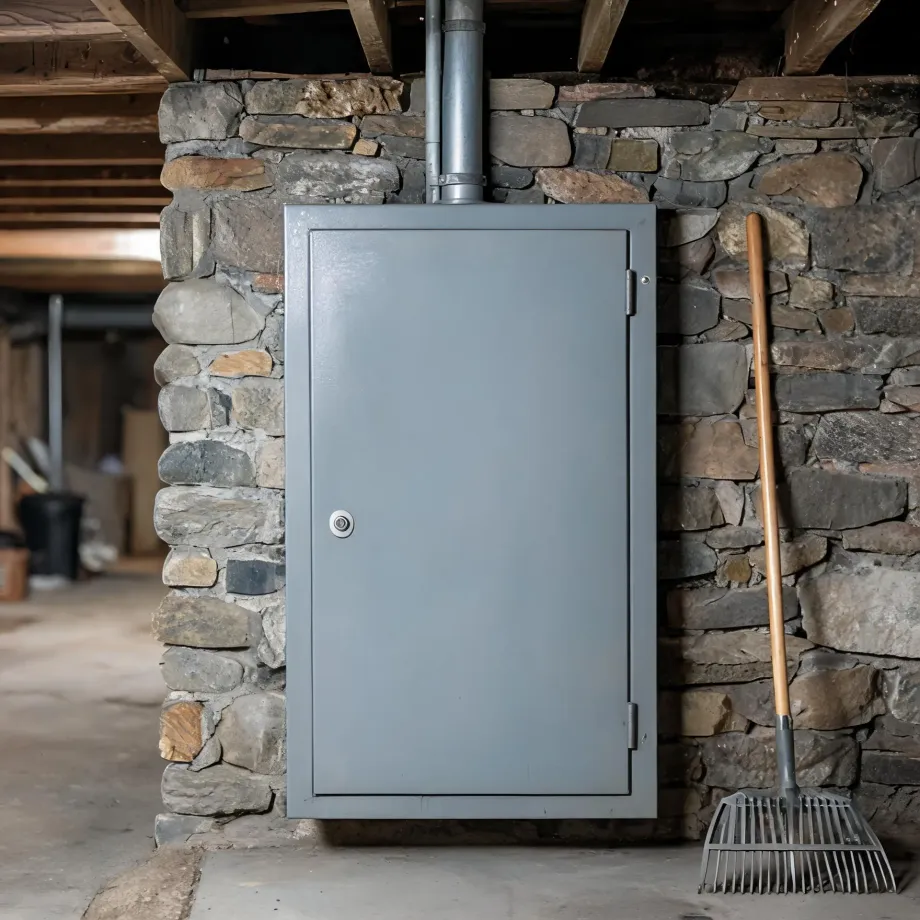
Boilers in houses built generations back have often been replaced or retrofitted once already, and what sits in the mechanical room now is a mix of eras. Half the homes in Alleghany County, Virginia were built in 1969 or earlier (2020-2024 ACS 5-year). When a contractor opens a unit in stock like this, the live question is whether the components it needs are still manufactured. If they are not, the repair scope changes before any other decision gets made. Sourcing dictates the path forward more than the failure itself does.
The Parts of a Boiler a Contractor Checks First
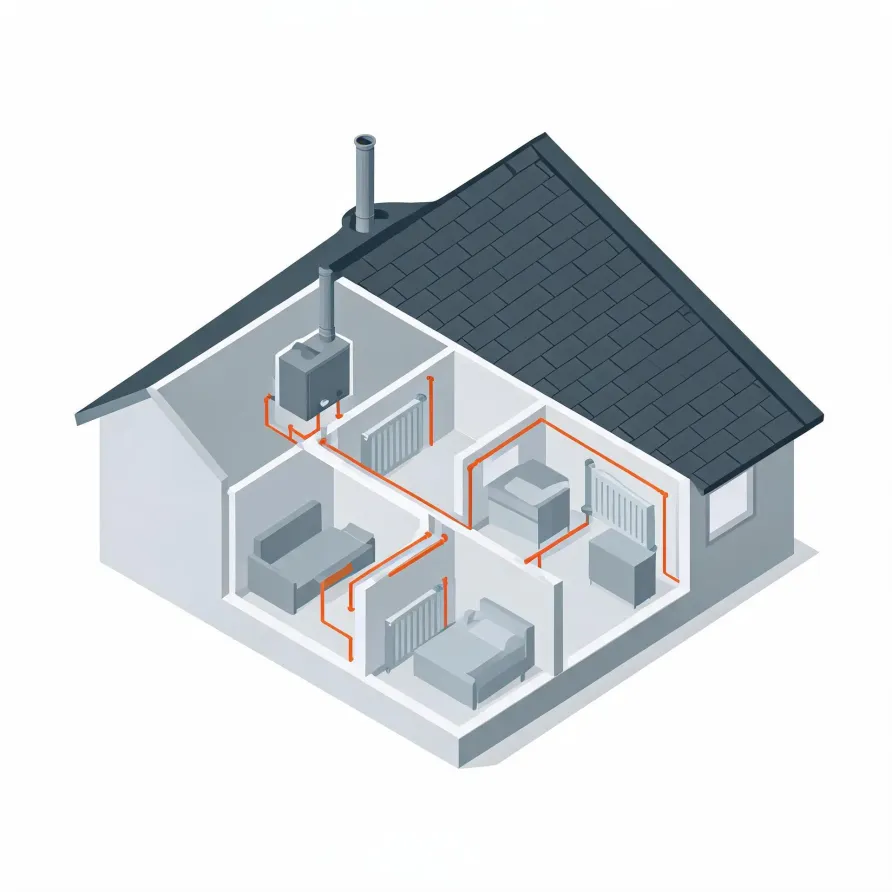
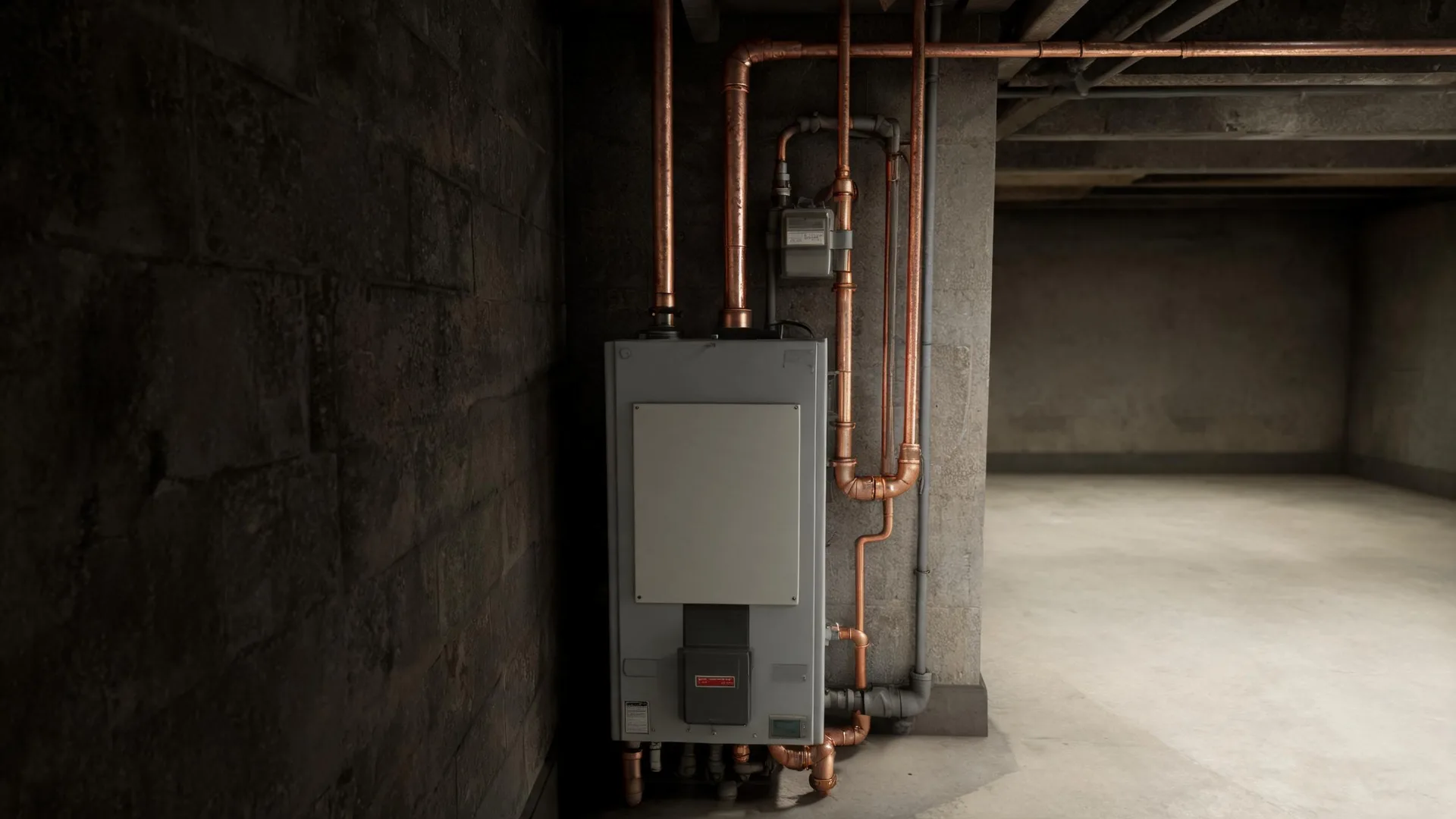
The boiler itself sits in the basement or mechanical room and is the first place a contractor looks when something goes wrong. Inside it, the heat exchanger and burner assembly are the pieces most likely to be behind a loss of heat, strange sounds, or a system that short-cycles and shuts off before the house warms up.
From the boiler, pipes carry hot water to radiators or baseboard units throughout the house, and each of those terminal units is a point where a problem can show up as uneven heat or no heat at all. The circulator pump, the expansion tank, and the pressure relief valve sit close to the boiler and are the supporting pieces a contractor examines alongside the main unit.
The drawing shows a typical boiler layout, and a licensed contractor determines which components apply to your specific system and what work they need.
Get matched in Alleghany CountyAlleghany County, by the numbers
62 severe weather events were recorded in Alleghany County, Virginia between 2015 and 2024.
NOAA National Centers for Environmental Information, Storm Events Database, bulk CSV export, events 2015-01-01 through 2024-12-31.Half the homes in Alleghany County, Virginia were built in 1969 or earlier (2020-2024 ACS 5-year).
U.S. Census Bureau, 2020-2024 American Community Survey 5-Year EstimatesAlleghany County, Virginia holds 7,913 housing units (2020-2024 ACS 5-year).
U.S. Census Bureau, 2020-2024 American Community Survey 5-Year EstimatesOwners occupy 82.3% of the occupied homes in Alleghany County, Virginia (2020-2024 ACS 5-year).
U.S. Census Bureau, 2020-2024 American Community Survey 5-Year EstimatesCodes & Standards Governing Boiler Repair in Alleghany County, Virginia2 sourced rules and standards
Licensing and Legal Requirements in Alleghany County, Virginia
Virginia’s contractor licence classes start above $1,000: the entry class covers a single contract or project over $1,000 but less than $30,000, or less than $250,000 of work in any 12-month period, with larger classes above that.
Virginia requires a contractor licence: no person may engage in, or offer to engage in, contracting work in the Commonwealth without one.
Severe Weather Events in Alleghany County, Virginia
Extreme weather puts real stress on boiler systems, and that stress compounds over time. How often conditions turn severe in Alleghany County shapes how hard the equipment works and how quickly repair needs develop.
62 severe weather events, 2015–2024. Source: NOAA National Centers for Environmental Information, Storm Events Database.